 Emily White
 Most people overcomplicate fitness. They think it needs a gym, a trainer, some expensive equipment. But honestly? Some of the best results come from the most boring-looking habits. Weighted walking is one of them. It looks simple. It is simple. And it genuinely works.
What This Actually Is
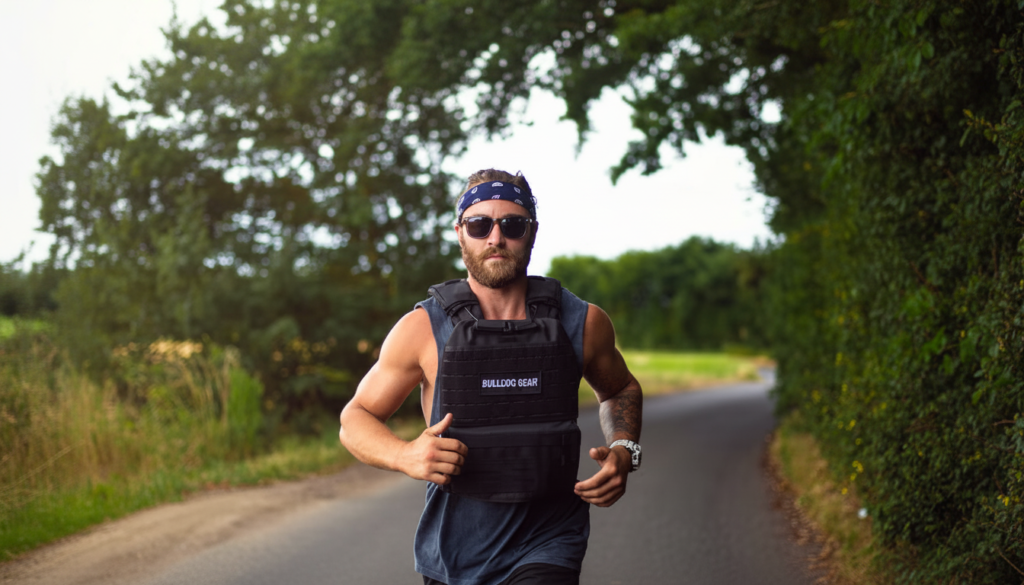
Grab a weighted vest, throw on some ankle weights, or just stuff a backpack with a few heavy things. That is it. Walking with added resistance is the whole idea. Nothing complicated, no technique to master, no class to book.
More Calories, Same Walk
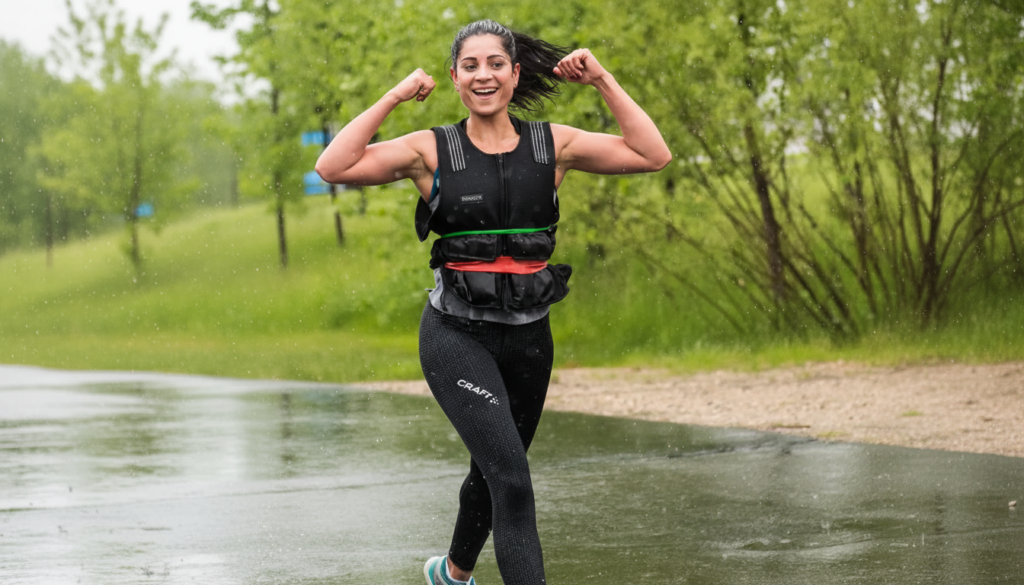
The body burns noticeably more when carrying extra load. Research puts the increase somewhere between 10 and 20 percent over a regular walk. That gap feels small but over weeks and months it starts showing up in real ways.
Strength Happens Without Noticing
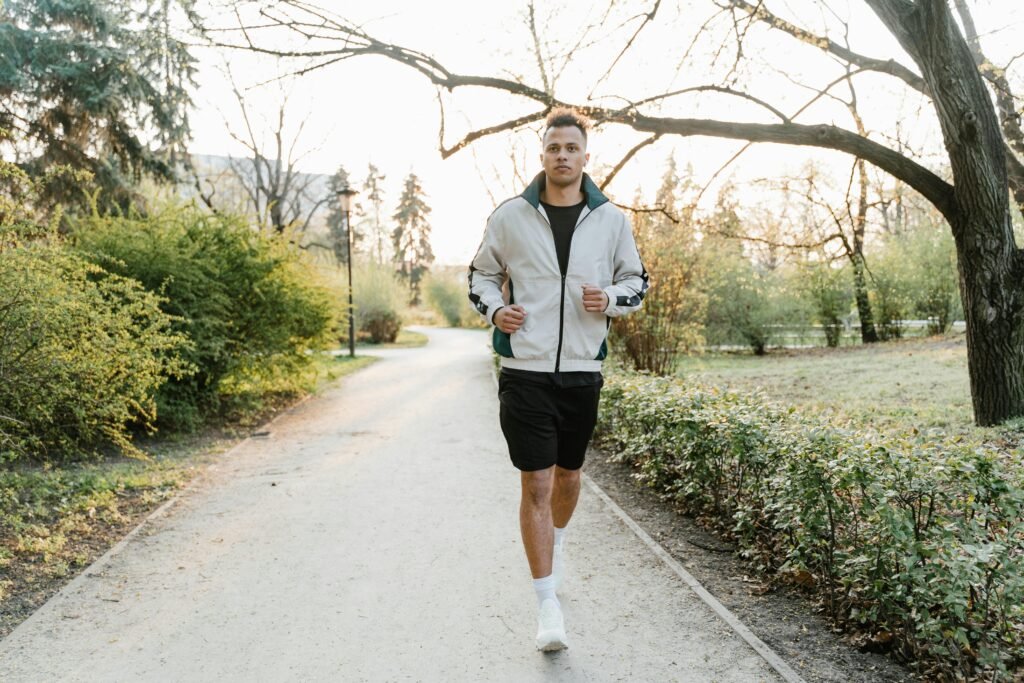
Regular walking does not do much for the muscles beyond the basics. Add weight and suddenly the legs, glutes, and core are actually being challenged with every step. It is resistance training without looking like resistance training.
No Experience Required
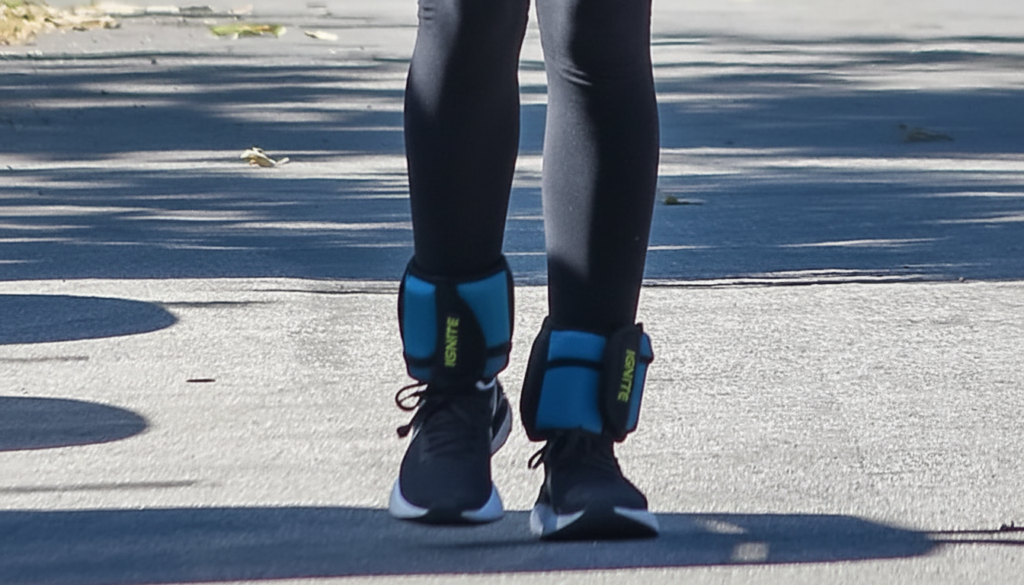
Starting with 2 to 5 pounds is genuinely enough. The body needs time to adapt and there is zero benefit in rushing that. Plenty of people quit these things early because they went too hard too soon – that is the trap worth avoiding.
Bones Get Stronger Too
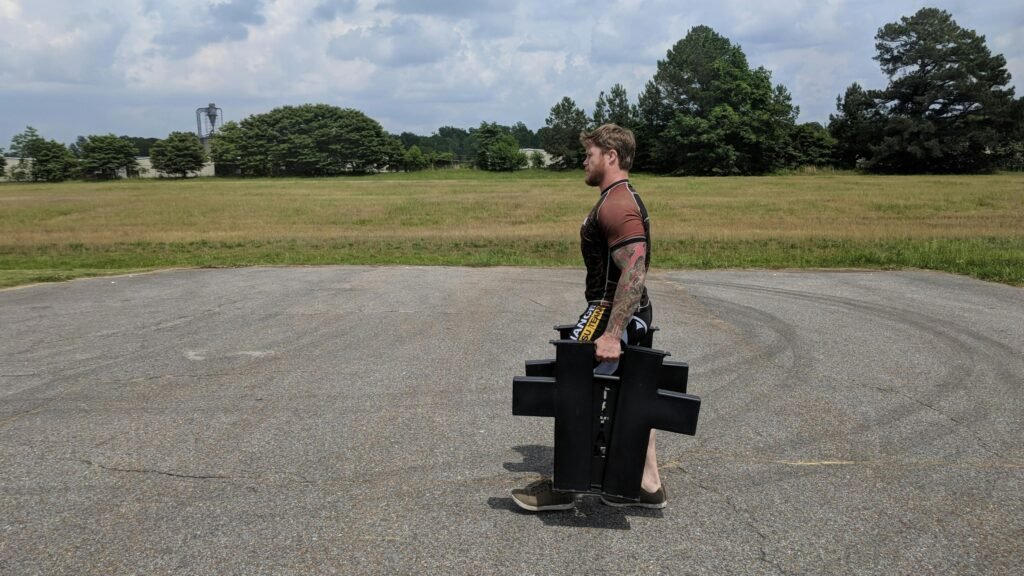
This part gets skipped in most fitness conversations but it matters. Load-bearing movement pushes the body to reinforce bone density over time. That becomes increasingly important with age and weighted walking handles it without any extra effort.
Heart Rate Climbs and Actually Stays There
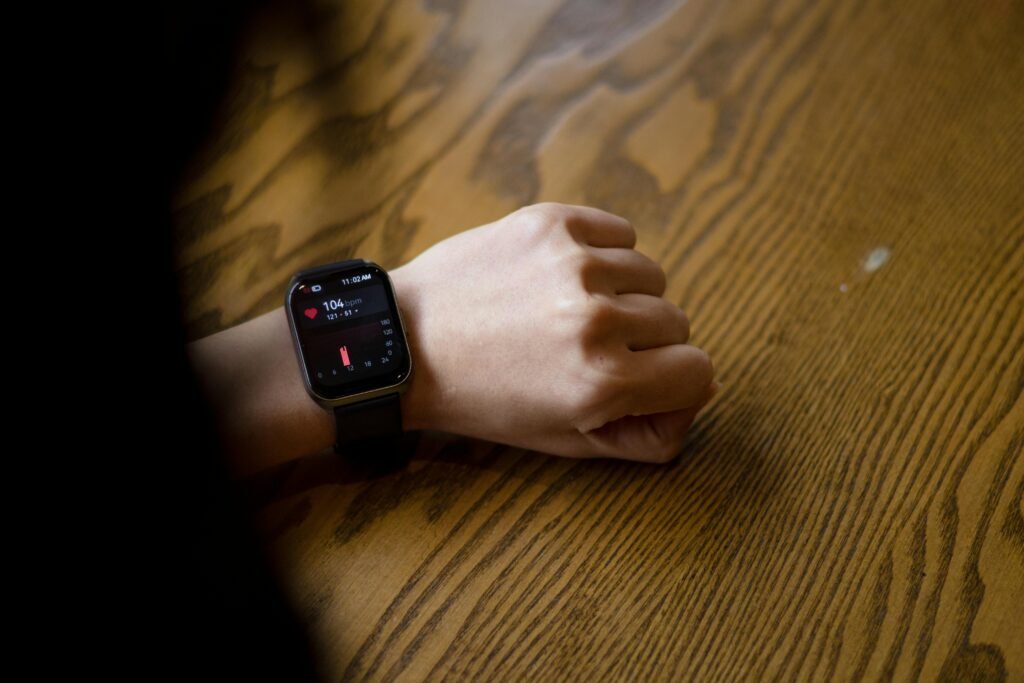
A gentle stroll keeps the heart rate pretty low. Adding weight changes that. The cardiovascular system has to work harder and keep working harder throughout the whole walk which is exactly what builds real fitness over time.
It Fits Into Regular Life
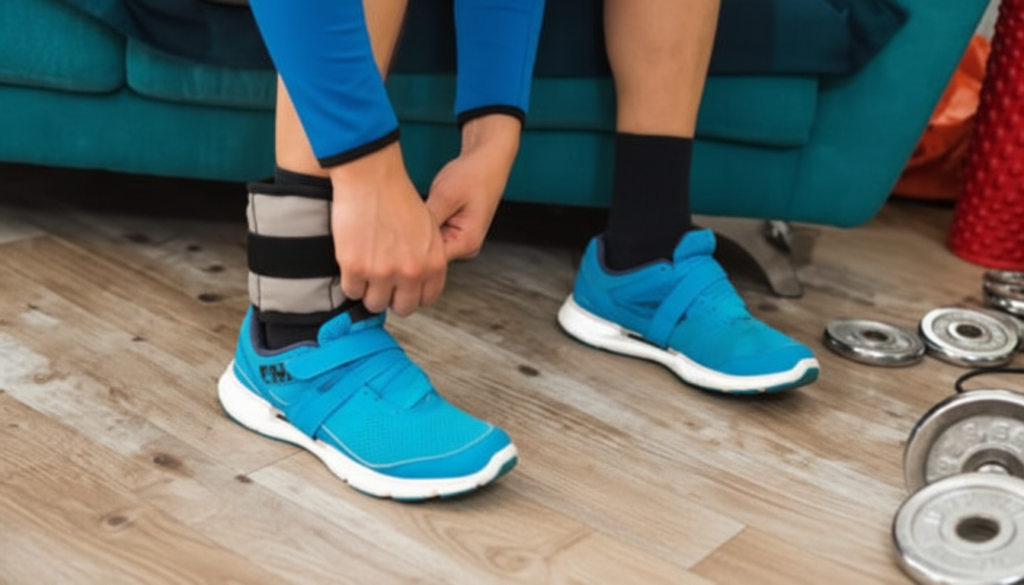
Walking to get groceries counts. A loop around the block after work counts. Even a quick 20-minute walk during lunch counts. This does not need a dedicated gym session – it just needs to happen during things that are already happening anyway.
Vests Are the Smartest Place to Start
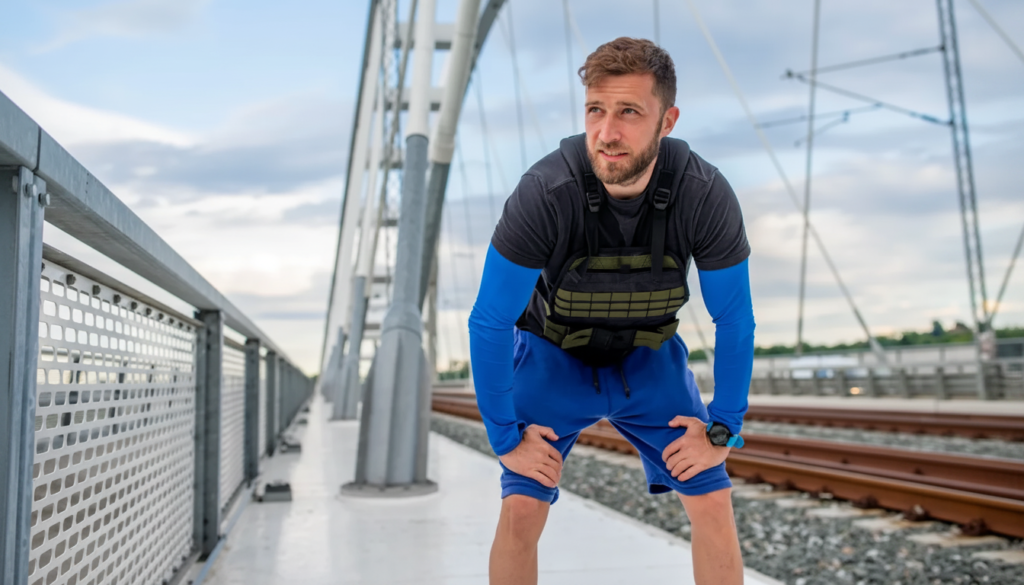
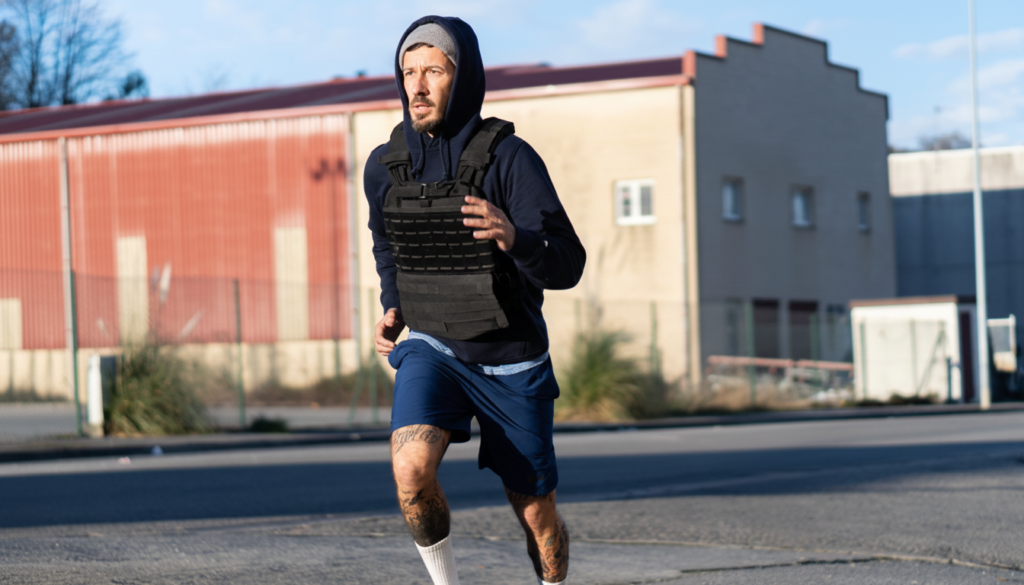
Ankle weights and wrist weights exist but a vest is easier on the joints and more comfortable to wear for longer. The load spreads across the torso rather than pulling on the limbs. For most people starting out, it is the better call.
Posture Actually Matters Here
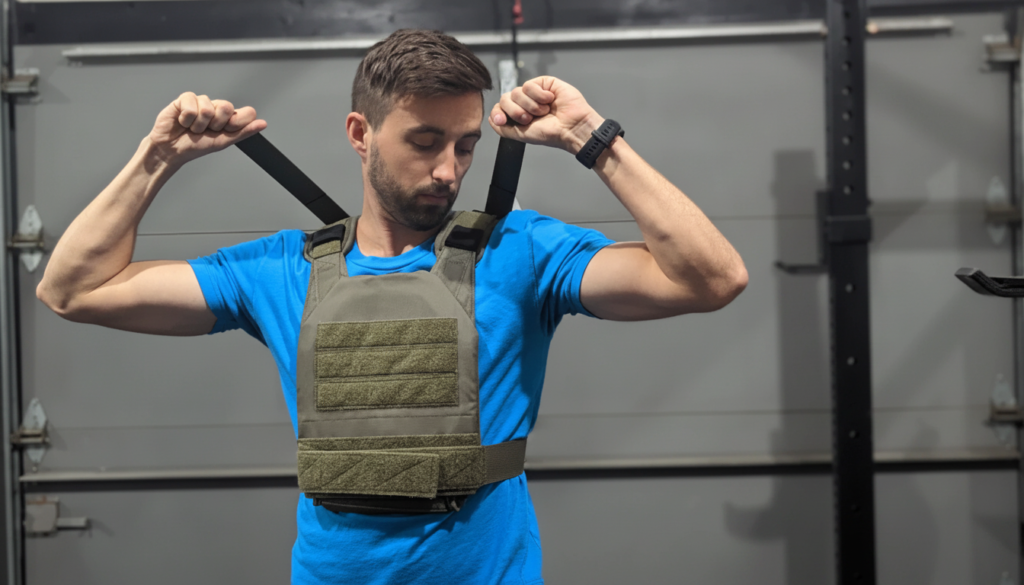
Adding weight makes slouching worse. The shoulders want to round forward, the back wants to curve. Keeping the spine tall and the core slightly engaged while walking fixes this and makes sure the effort is going to the right places rather than creating new problems.
Go Slow at First – Really
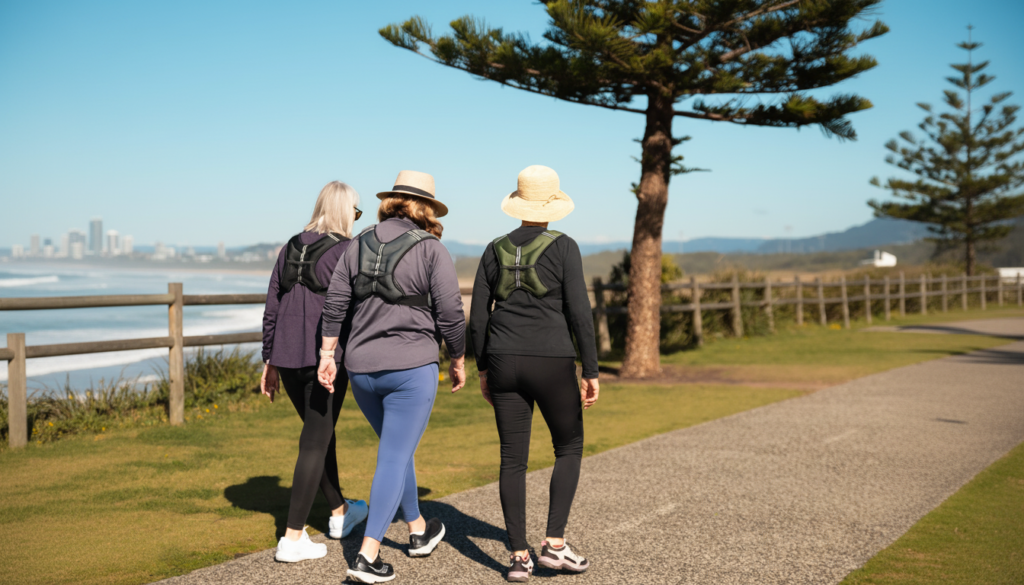
Fifteen to twenty minutes is enough for the first few sessions. This is not being overly cautious – the joints and connective tissue need time to adjust. Building gradually is what turns this into a permanent habit rather than a week-long experiment.
Ankle Weights Have Limits
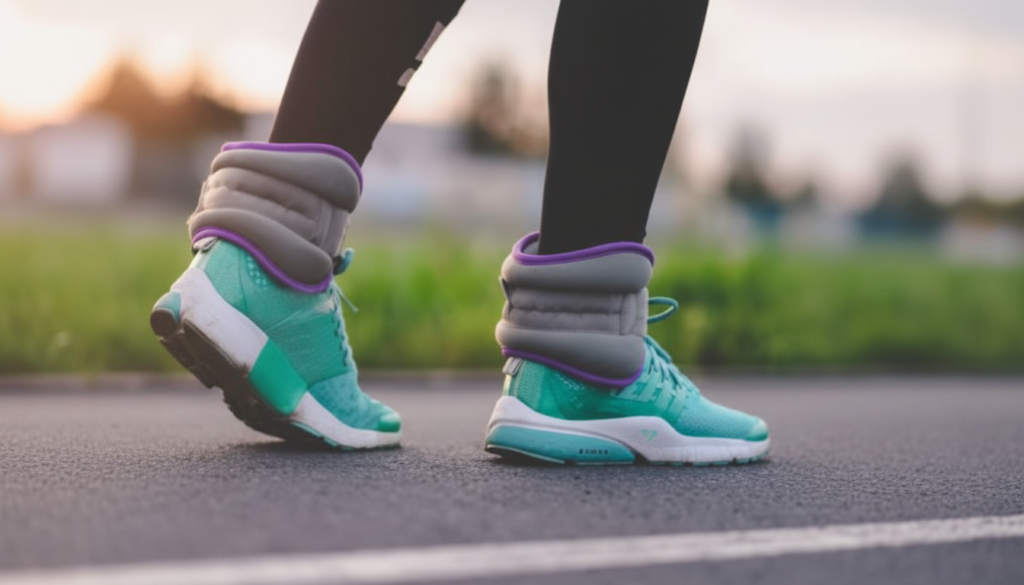
Light use is fine but relying on them heavily puts repeated stress on the knees and hips. Keeping them light and not using them every single day is the smarter long-term approach for anyone who wants to actually stick with this.
Shoes Make a Bigger Difference Than Expected
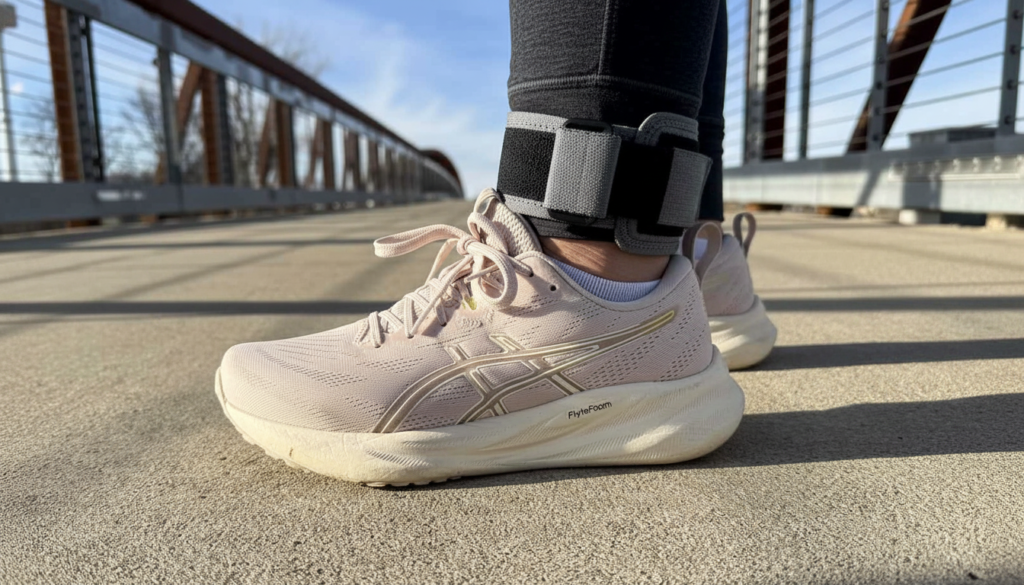
Extra weight means extra impact. Worn-out or flat shoes make every step harder on the feet and knees than it needs to be. Good supportive footwear is not optional here – it is just part of doing this without getting hurt.
Tracking Loosely Still Helps
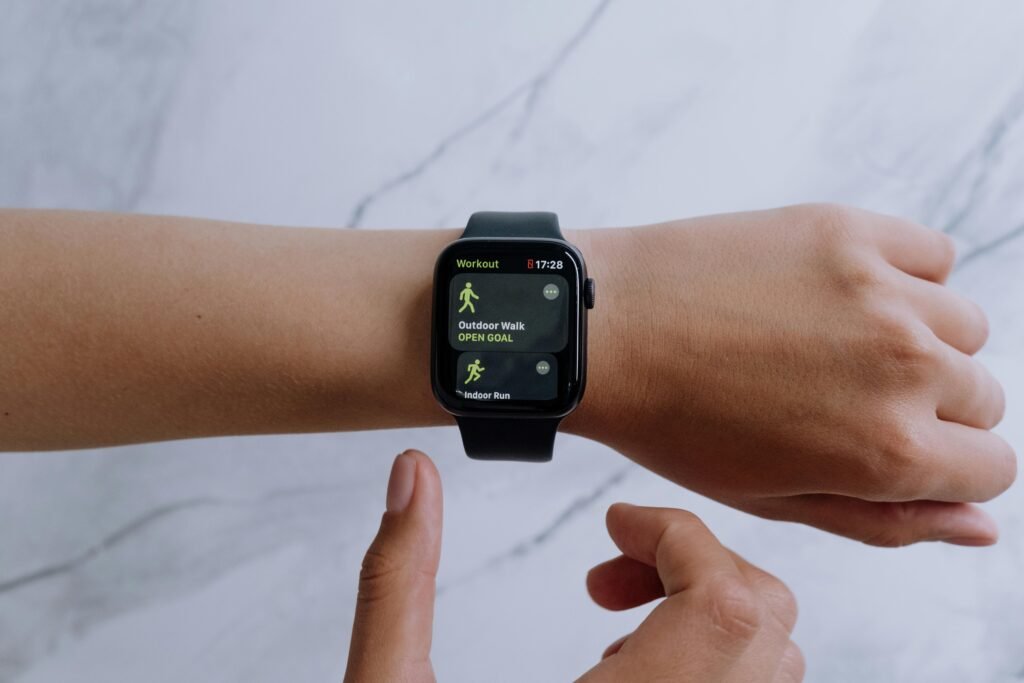
No need for a detailed spreadsheet. Just noting down what weight was used and roughly how far the walk went is enough to see progress building. Watching improvement happen is one of the simplest ways to stay consistent over time.
Works for Almost Anyone
This is not too easy for fit people and not too hard for beginners. The load adjusts to wherever someone currently is. That flexibility is genuinely rare in fitness and it is a big part of why this habit tends to actually stick for people.