 Elizabeth Harris
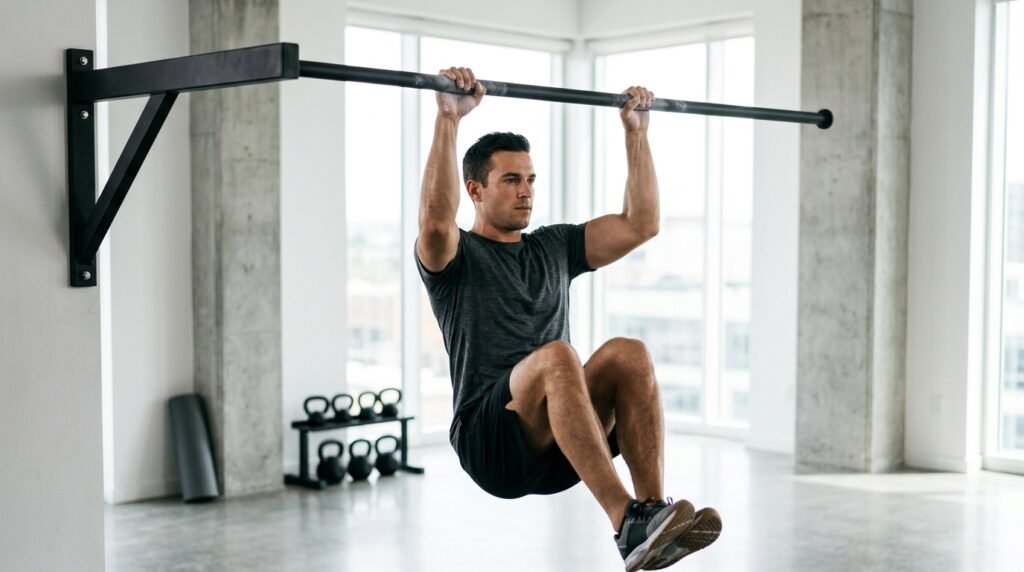
 Hanging knee raises look straightforward from the outside but getting the most from them requires more attention to form and mechanics than most people bring when they first attempt the movement. Done correctly this is one of the most effective exercises available for building genuine core strength without placing any compressive load on the spine. Here is everything you need to know about technique primary muscle activation and the key benefits that make this exercise worth including.
The Starting Position and Grip Setup
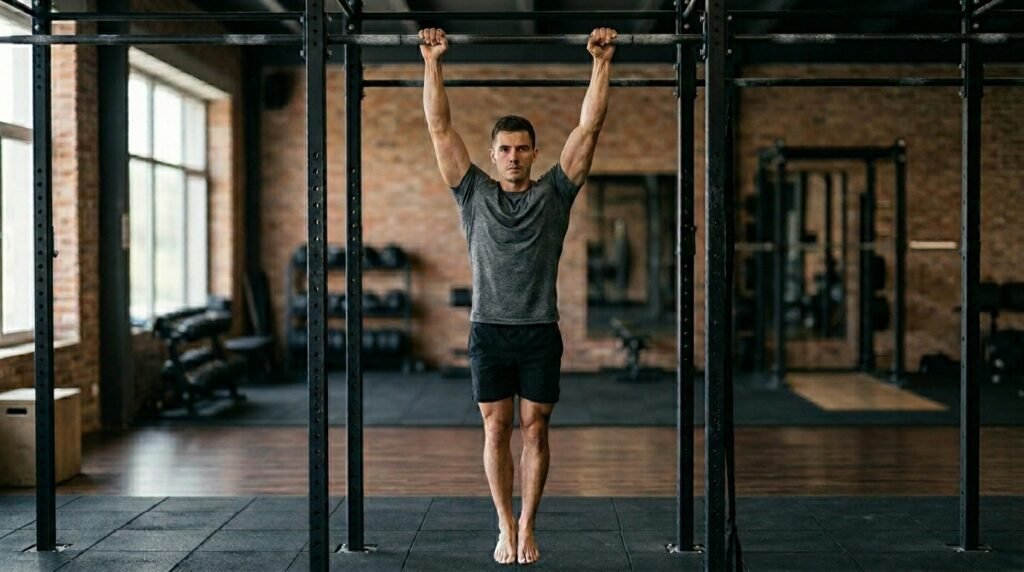
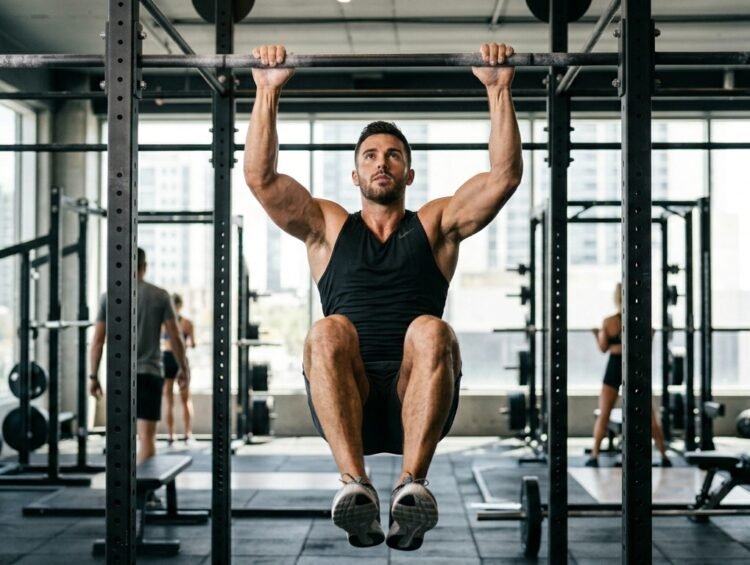
Begin by hanging from a pull-up bar with a shoulder-width overhand grip and your arms fully extended. Engage your shoulder girdle by actively depressing your scapulae rather than just hanging passively from your joints. This active shoulder position protects the joint and creates the stable base the movement requires for proper execution.
The Movement Broken Down Step by Step
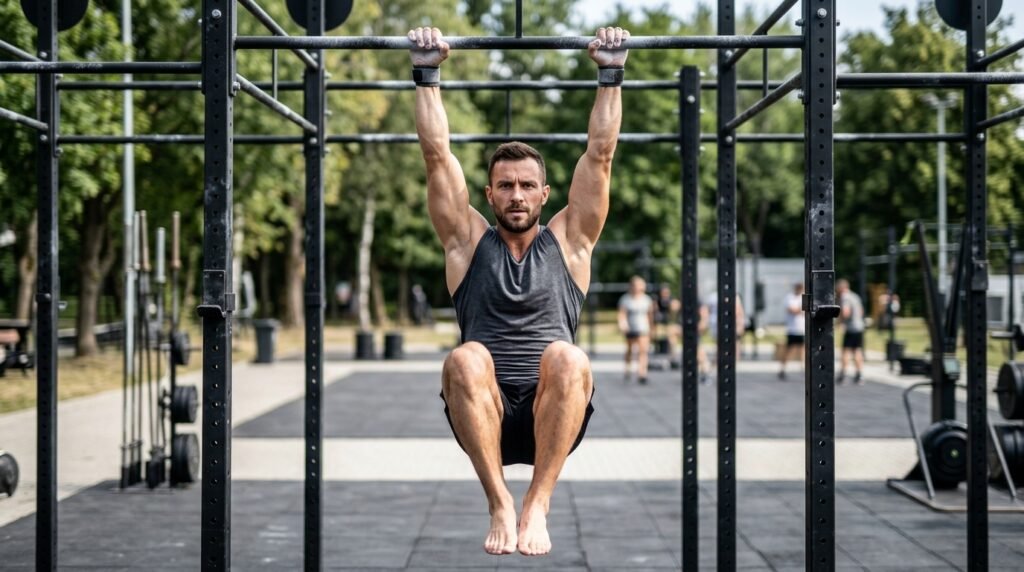
From the active hang position draw your knees upward toward your chest using a deliberate controlled contraction rather than momentum. Pause briefly at the top position where your hips are fully flexed then lower slowly back to the starting position over two to three seconds. The controlled descent is where most of the muscle building stimulus actually occurs.
The Primary Muscles Being Worked
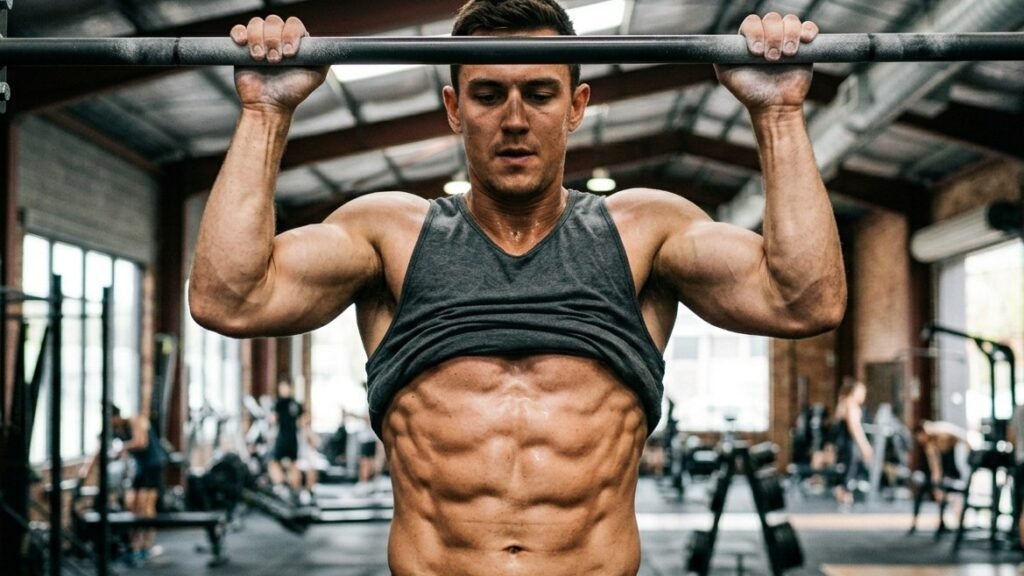
The primary driver of the hanging knee raise is the rectus abdominis which works through its full range of motion as the pelvis tilts posteriorly during the upward phase. The iliopsoas and hip flexors also contribute significantly particularly in the initial portion of the movement before the abdominal contribution becomes the dominant force.
The Secondary Muscles Supporting the Movement
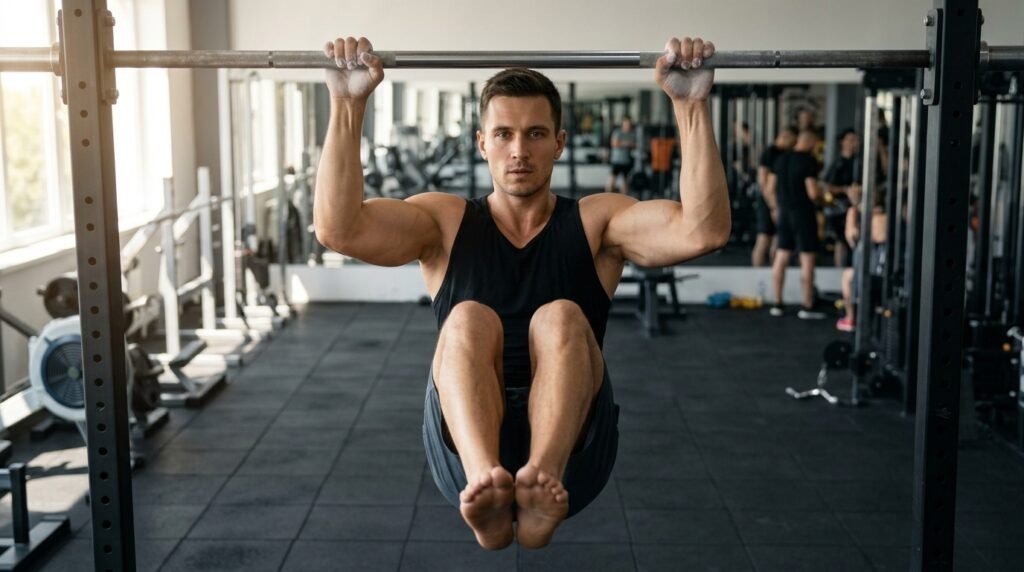
The forearms hands and grip muscles work continuously throughout the set to maintain the hanging position. The serratus anterior and lower trapezius stabilize the scapulae throughout and the obliques assist with spinal stability particularly if any lateral movement occurs during the movement. The lats provide passive stability throughout.
The Core Benefits Beyond Abdominal Strengthening
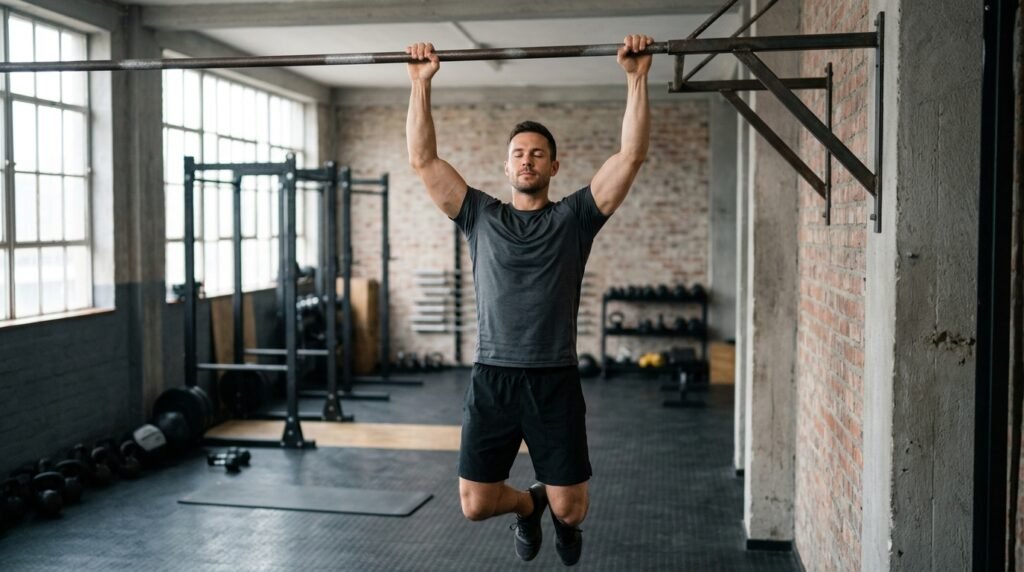
The decompressive nature of hanging before and after the movement provides a beneficial stretch to the lumbar spine that most gym exercises do not offer. Regular practice also builds grip strength and shoulder stability as secondary adaptations and the full range hip flexion contributes to hip flexor mobility in people who spend extended periods seated.
The Most Common Technique Errors to Avoid
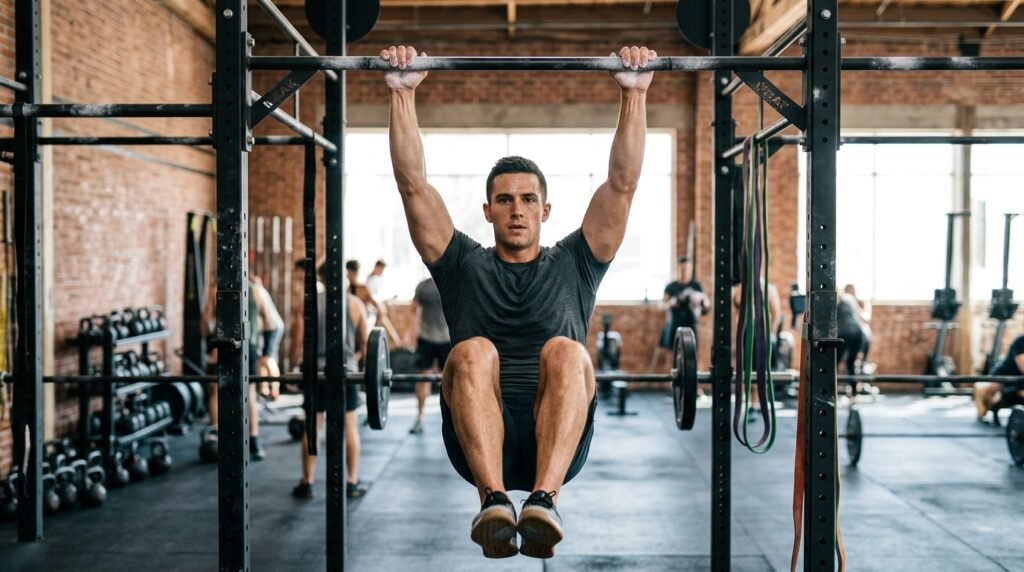
Swinging the body to generate momentum removes the abdominal challenge entirely and places stress on the shoulder joints that the structure is not designed to tolerate under load. Allowing the hips to hyperextend at the bottom of the movement before initiating the next repetition also reduces the working range and diminishes the stimulus at the core.
Progressions When the Basic Version Gets Easy
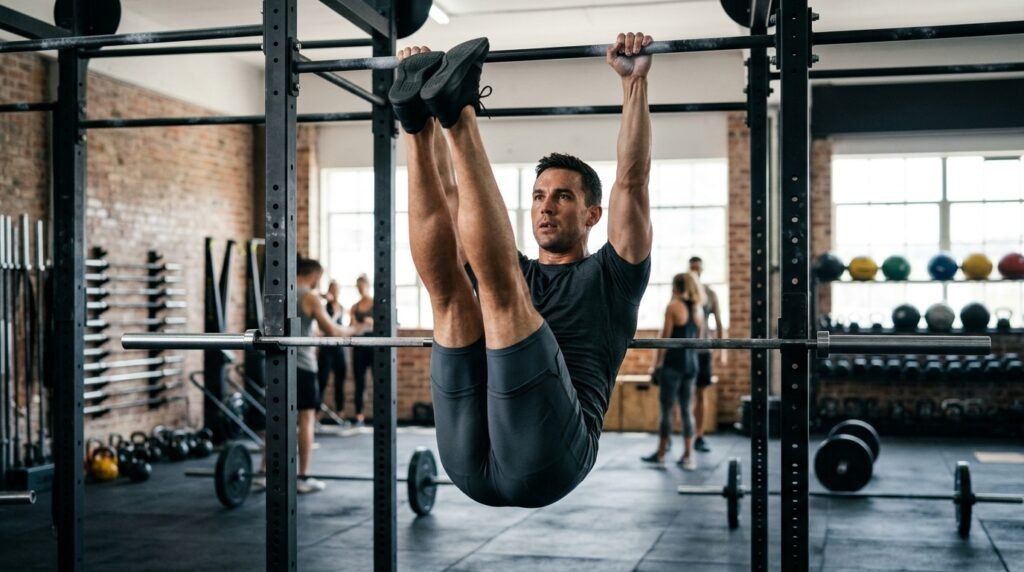
Once twelve to fifteen controlled repetitions are achievable with clean form progress to toes-to-bar raises which increase the range of motion and the abdominal demand significantly. Adding ankle weights or performing the movement with straight legs rather than bent knees are two further progressions that continue the challenge without requiring any additional equipment.
How to Include It in Your Current Program
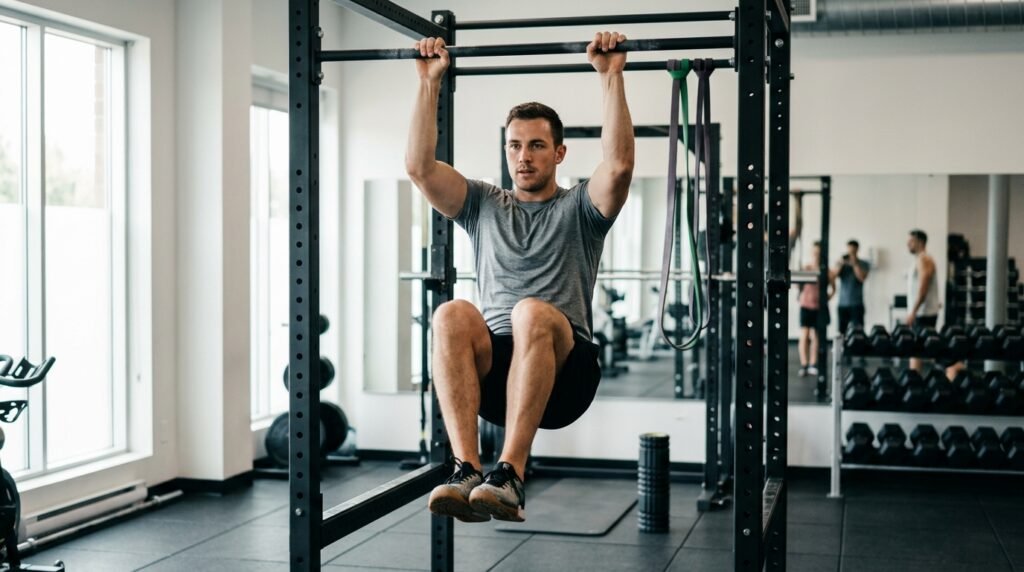
Hanging knee raises work best placed early in a training session before fatigue compromises grip strength or core stability. Two to three sets of eight to fifteen repetitions performed two to three times per week is a sufficient frequency for most people to see consistent improvements in core strength and endurance within four to six weeks.
The Simplest Equipment Produces Some of the Most Effective Core Training Available
A pull-up bar and the ability to hang from it is all that separates you from one of the most effective core exercises in any well-designed training program. The limiting factor for most people is not access or ability but the patience to perform the movement correctly rather than quickly.