
 Emily White
 There have been tremendous transformations in life in the last twenty years due to the rapid changes in technology and social dynamics. Most of the habits that are considered normal today would have been considered unrealistic or queer in the early 2000s. Faster internet, digital platforms, and Smartphones have changed the way individuals communicate, work, and spend their time. According to research conducted by the Pew Research Center, today, more than in several decades, the world has changed faster in daily behavior. The examination of contemporary habits shows that society is rapidly embracing new technology and altering cultural demands.
Always Online

Two decades ago, the majority of the population ceased to be connected with the internet after leaving their home or office. Smartphones have now turned people into all-day, all-time communicators (messaging, email, and social networks), which means that being connected to the online world is a part of life.
Talking to Phones

Voice assistants were viewed as future technology. It is easy to talk to digital assistants nowadays without really thinking or trying to set reminders, ask some questions, or control something, which would have sounded strange to most people in the early 2000s.
Filming Everything
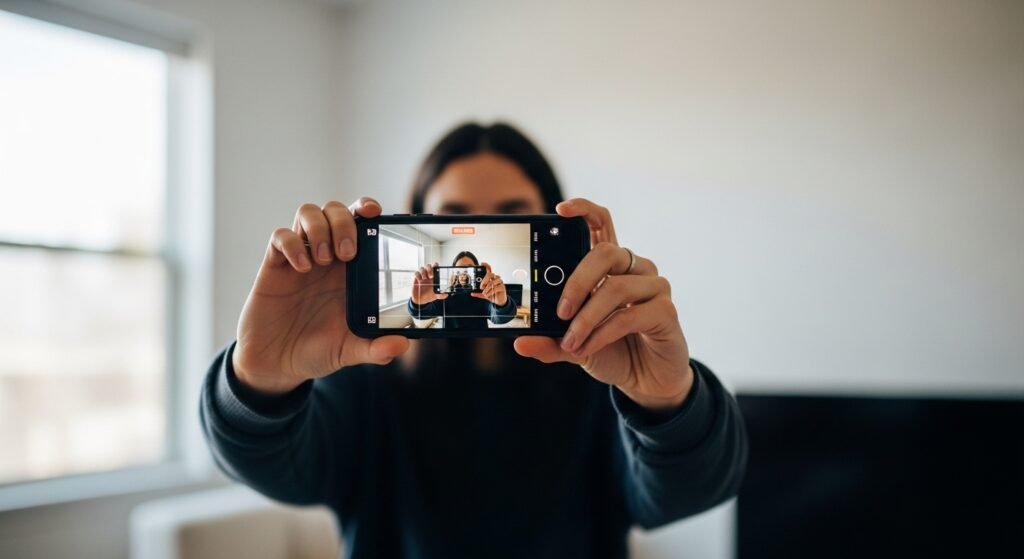
Individuals are capturing these simple moments like meals, exercises, and in their travels. The cultural aspect of social media promotes the production of material all the time, making even the most simple routine activities a video or a post that should be shared in front of a great number of people.
Shopping from Beds

It is now possible to shop for most of the things online without stepping out. Clothes, grocery and even electronics can be ordered with a few phone taps as people sit on the couch or even when lying down.
Navigating by Apps
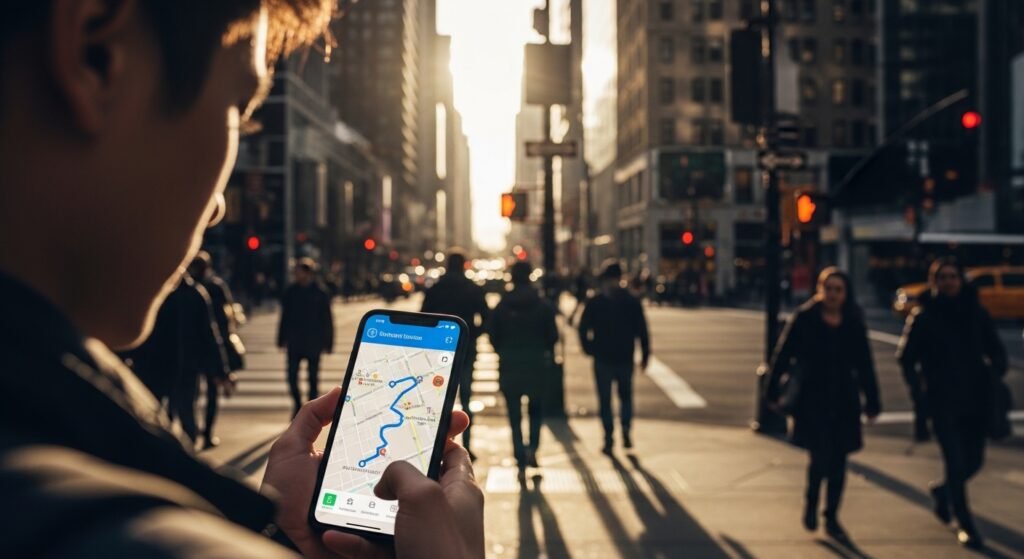
Traveling was previously directed by printed maps and by written instructions. Nowadays, navigation applications offer real-time routes, traffic data, and rerouting options, and drivers and pedestrians can almost depend on smartphones to guide them.
Working in Pajamas

During recent years, remote work has become much more widespread. The video meetings and online collaboration tools can currently enable professionals to work at home, and this would not have been a realistic location for most office jobs twenty years ago.
Learning on Screens

Online videos, tutorials, and online courses have become a major way for people to acquire new skills. Rather than go to the conventional classes, a lot of people resort to online courses to study cooking, coding, design, or languages.
Meeting Strangers Online

Establishing an internet-based friendship or relationship used to be something unnatural to most individuals. Introduction of people nowadays via online application has been normalized, and most of the time is the initial step to connecting.
Sharing Personal Opinions

Social media has provided millions of individuals with a platform where they can express themselves in real time. Conversations that were initially made within a small circle of people are now publicly made in front of a large number of people on the internet.
Tracking Daily Life

The problem with modern technology is that it enables individuals to monitor their steps, sleep, heart rate, and everyday routines with apps and wearable devices. Such personal data surveillance was hardly available to an ordinary citizen two decades ago.