
 Emily White
 It is thrilling to begin an exercise routine. New shoes, new encouragement, and hope that this time it is going to be good. However, after a couple of weeks, the truth tends to set in. Work gets old, energy goes down and before we know it, there are no more exercises on our schedule. The reality of the matter is that individuals who remain loyal to fitness do not depend on motivation. They implement easy methods that make exercise less difficult to sustain. When the routine is something that fits your lifestyle rather than another thing that you fight, adhering to it becomes a lot more realistic.
Start With Realistic Goals

The expectations of many people when starting with fitness are very high. They schedule extreme exercises on a daily basis and lose fitness quickly. It is wiser to begin small and develop. It is possible to have realistic goals that are easy to stick to.
Schedule Workouts Like Appointments

When exercises are not scheduled to fit into the free time, they do not take place. Exercise is so important that it deserves a spot in your calendar. It is like meetings or deadlines; it is part of your day. This basic habit will eliminate the issue of deciding when to exercise or not.
Choose Activities You Actually Enjoy

When one is lured into doing exercises that he/she does not like, it becomes hard to be quite consistent. There are people who like running, and some prefer swimming, cycling and yoga. It is a matter of locating a pleasant movement. Exercise will be easier to repeat when it is fun as opposed to forced.
Focus On Consistency, Not Perfection

Getting late to a fitness session causes individuals to think that they failed the plan. As a matter of fact, being consistent is more important than being perfect. Individuals who exercise on a long-term basis just keep doing it the following day. It is not as important to be perfect as to turn up.
Keep Workouts Simple

Complex schedules may be stressful. When there is too much planning involved in a workout, then it can be skipped. Even basic activities such as walking, bodyweight, or a few exercises at home can get rid of that obstacle. The more comfortable the routine, the higher the chances that it is going to be maintained.
Track Your Progress
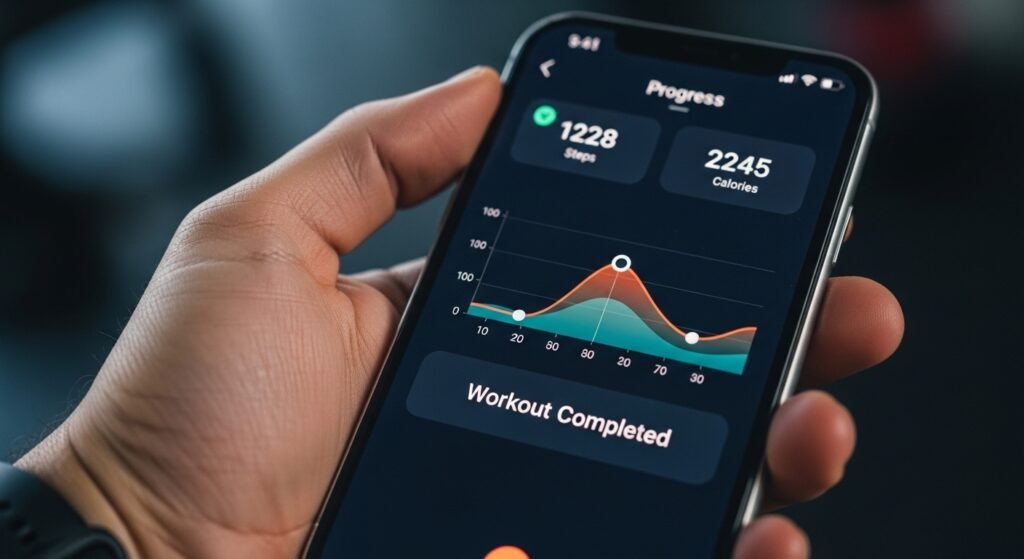
The ability to see progress keeps things going. Results become apparent through the tracking of workouts, steps or strength gains. Even the slightest improvements are motivating. Those small wins over time create a sense of confidence and have the ability to keep people committed.
Create A Dedicated Workout Space
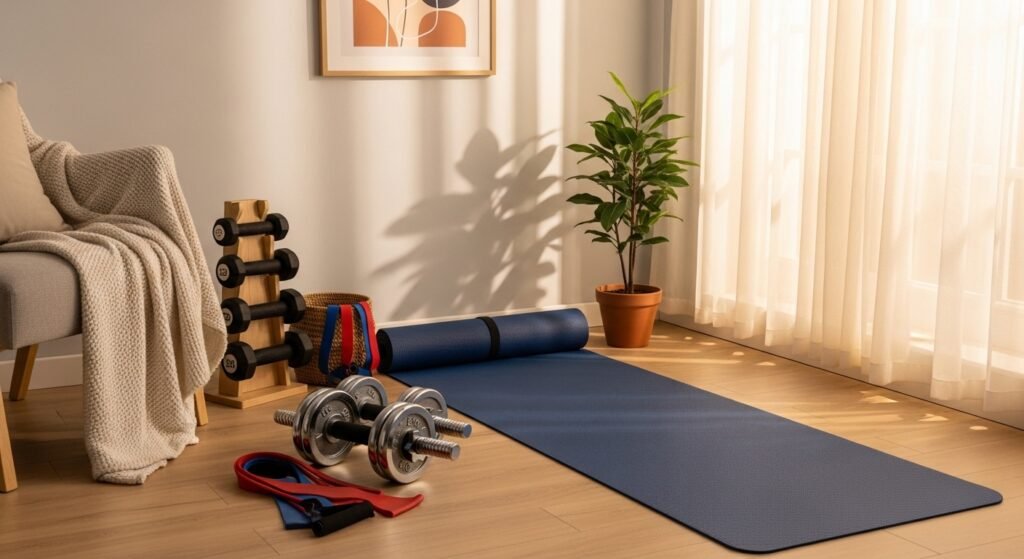
It is easy to start since there is a particular place to exercise. It doesn’t need to be a full gym. Even a yoga mat, resistance bands or even a few weights in a corner suffice. Excuses become more difficult to come by when the space is ready.
Find A Workout Partner

Exercising with an individual makes it more accountable. Consistency can be motivated by a friend, family member, or a partner at the gym. Being aware of someone that you are expected to turn up for usually makes motivation even higher.
Reward Small Milestones

The commemoration of milestones makes workouts fun. Achieving little goals- such as completion of a month of exercise- should be rewarded. Rewards do not necessarily have to be huge, but they assist in keeping the excitement going.
Mix Up Your Routine
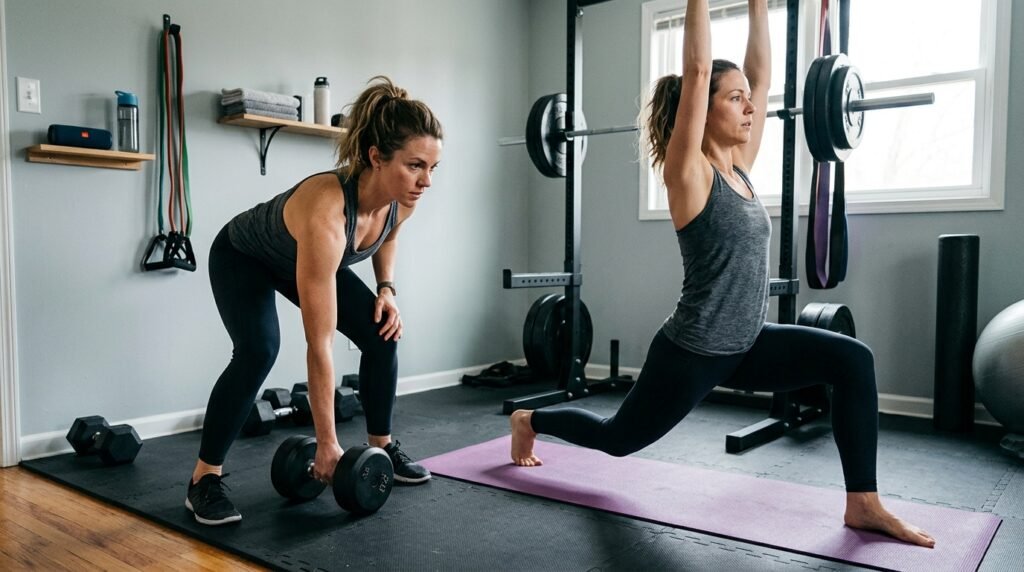
The repetitive method of doing the same workout may be boring. Replacement of activities makes things interesting. It is also good to exercise different muscles by trying new workouts and making the routine new.
Remember Why You Started

There is a reason why everyone starts being fit. Perhaps it is good health, more power, or a sense of strength. In case of a lack of motivation, one should remember the reason and get the focus back on the right track. It transforms workouts into something other than another task.