 Emily White
 Initially, it did not even make a ripple. Some minor changes in manner, taste, and interests. But with time the trend was too obvious. The slow lifestyle is replacing the rush lifestyle; more individuals are opting to live at a relaxed pace rather than being in a hurry and what was initially a low-level murmur is now redefining the workplace, personal relationships and day-to-day lives in an observable manner. The shift did not come in the form of a single viral moment or headline. Rather, it developed in stages as a result of mutual tire, reconsidering ambitions and a mutual longing towards a more sustainable one. Evidence is now ubiquitous: the way people work, the way they spend their weekends and their definitions of happiness.
Individuals Are Redefining Success in its Own Terms
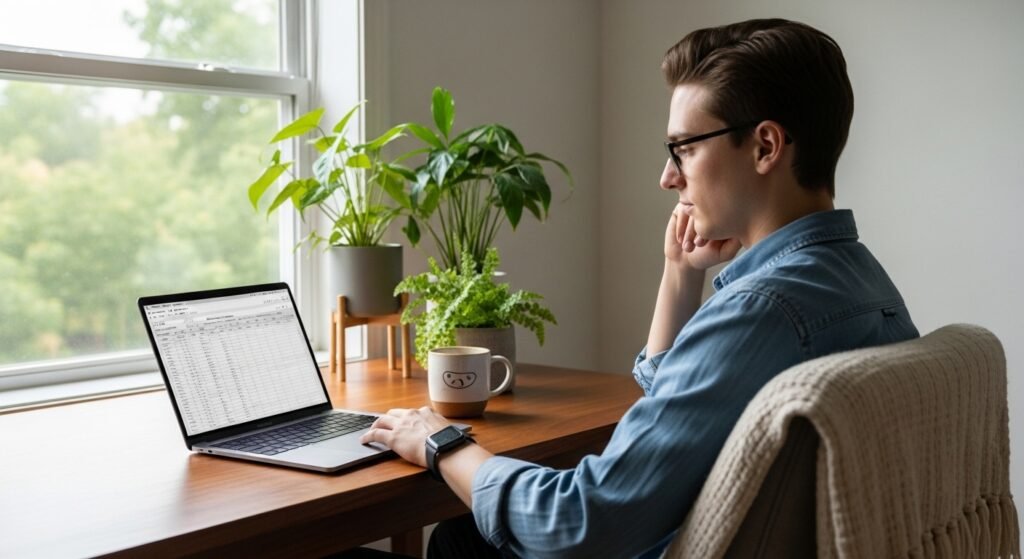
The only aim is no longer to go up the traditional ladder. A large number is choosing flexibility, satisfaction, and well-being over the designation and status. Nowadays success can be a matter of independence, balance and freedom of time instead of continued upward drive. This change is indicative of a greater conscious understanding that the outside approval is not as good as the inside approval and that accomplishment is empty without the inner health.
Silent Quitting Became Conscious Labor

What began as the quiet quitting has turned out to be deliberate work. Employees are drawing limits, concentrating on specific duties, and uncompensated emotional work is prohibited. It is still productivity; however, burnout is no longer a badge of honor. Individuals are getting more specific on what they need to do in the job and what they need not, guarding their time and energy as it becomes more intentional.
Minimalism Is Making an Impact on Everyday Decisions
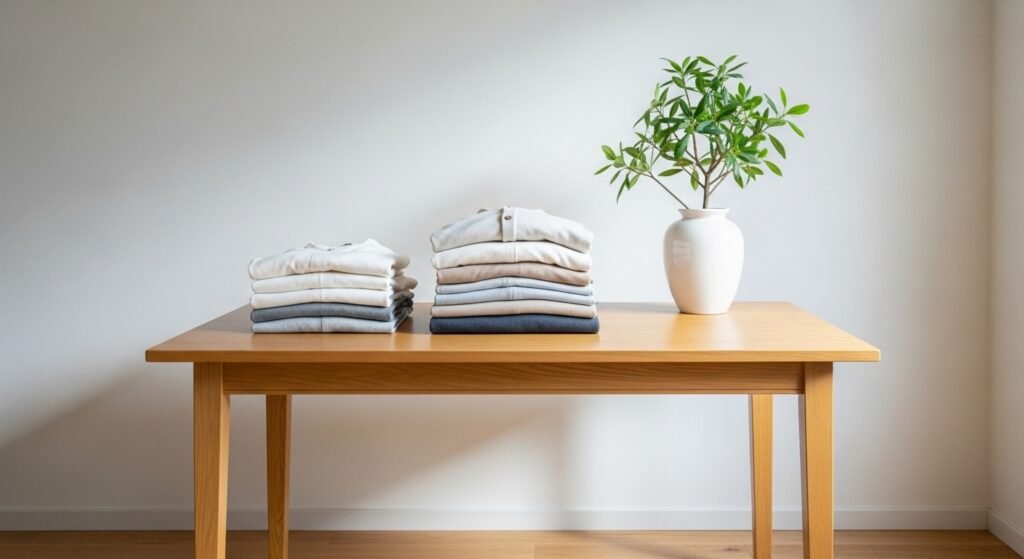
In their homes, people are going paperless and simplifying their wardrobe as well. Being less is a state of clarity of mind and financial freedom. It is no longer about accumulating but about consuming in a conscious manner. The purchasing behavior has evolved in the sense that buying has become planned and a lot of purchasers have shifted the focus to long-term wear and tear, durability, versatility, and usefulness, as opposed to the impulse buying nature.
Digital Detoxing Is Going Become the Norm
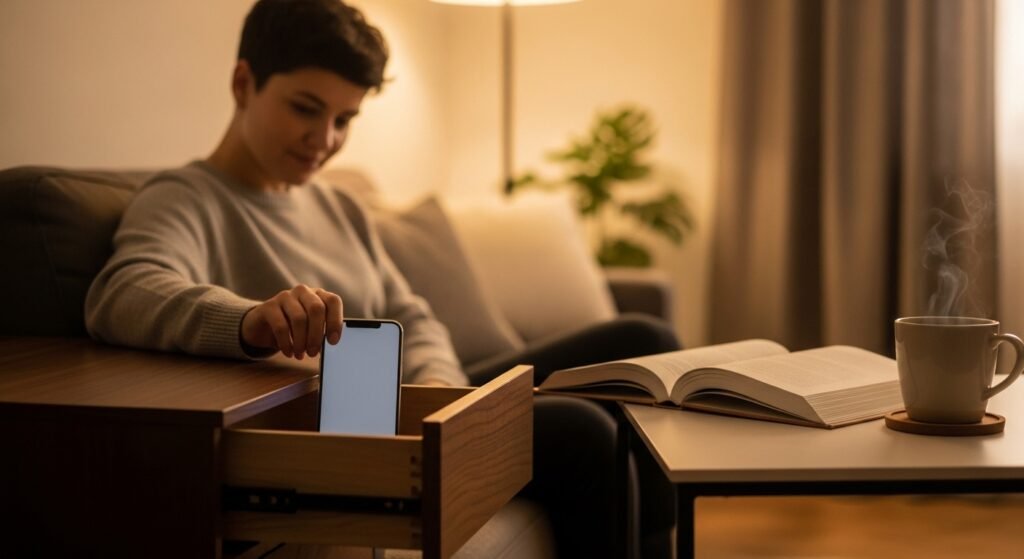
The problem of screen fatigue has led to the tendency to reduce the alerts or get rid of social applications, or find the time to be offline. Leaving is no more radical, it is healthy self-protection in an interconnected world. Technology walls are increasingly becoming accepted as individuals understand the effects of the ever-present connectivity on mood, concentration, and the quality of sleep.
Friendships Are Becoming Less Accidental
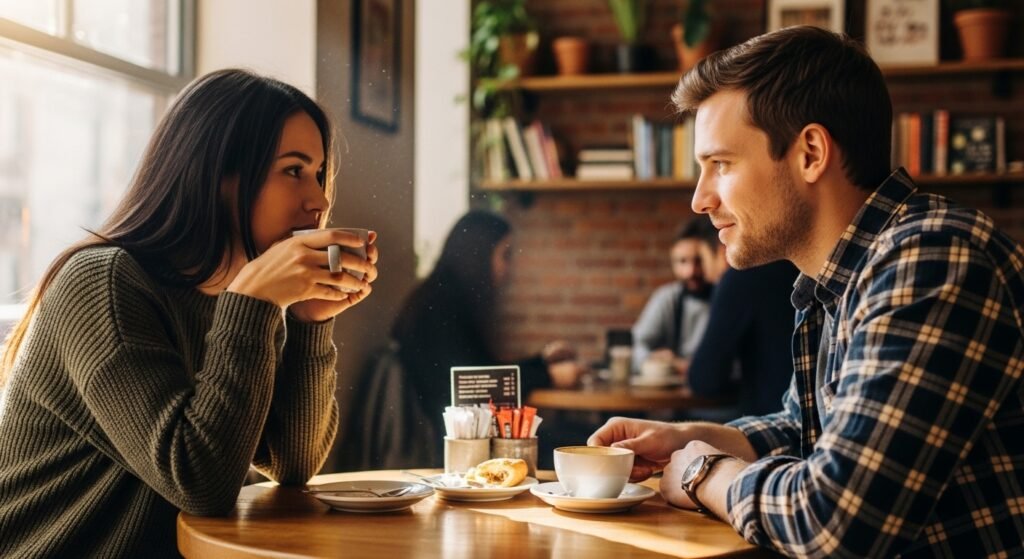
People are investing heavy bonds instead of wide social circles. Quality has come to supersede quantity. Large and tiring social schedules are being substituted with small and meaningful conversations. Planned networks are more sustaining than the infrastructural availability, and emotional richness is appreciated more than social rank.
Formality in Style Is Giving Way to Comfort
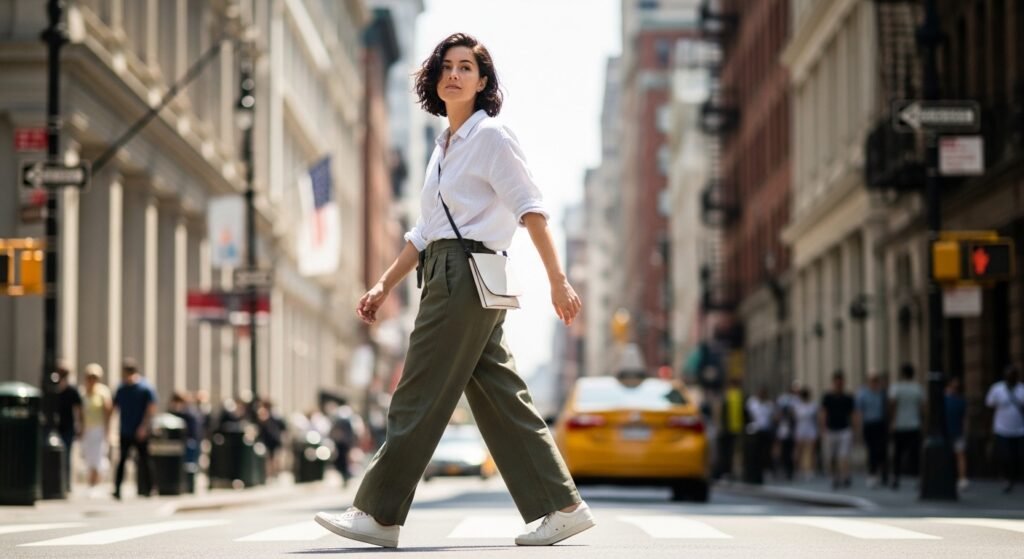
This is represented in clothing trends. Loosely fitted clothes, casual wear, and easy wear prevail. People desire to feel good in whatever they wear and not appear impressive alone. Practicality and self expression is coming together, and people are able to show themselves the way they are without compromising physical comfort.
Side Hustles Are Going Back to the Drawing Board
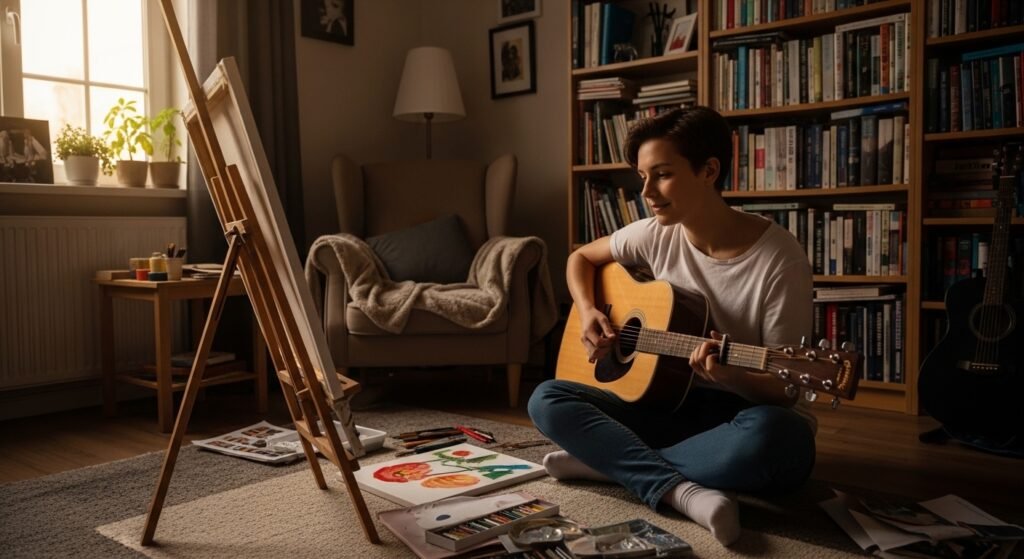
Some are weary of the endless drive to commercialize all their leisure activities. Rest and creativity are being re-owned without pressures to ensure passions become sources of revenue. The idea that one should use all idle time is being challenged by many who would rather preserve unorganized time.
Wellness Is Moving Out of Aesthetics
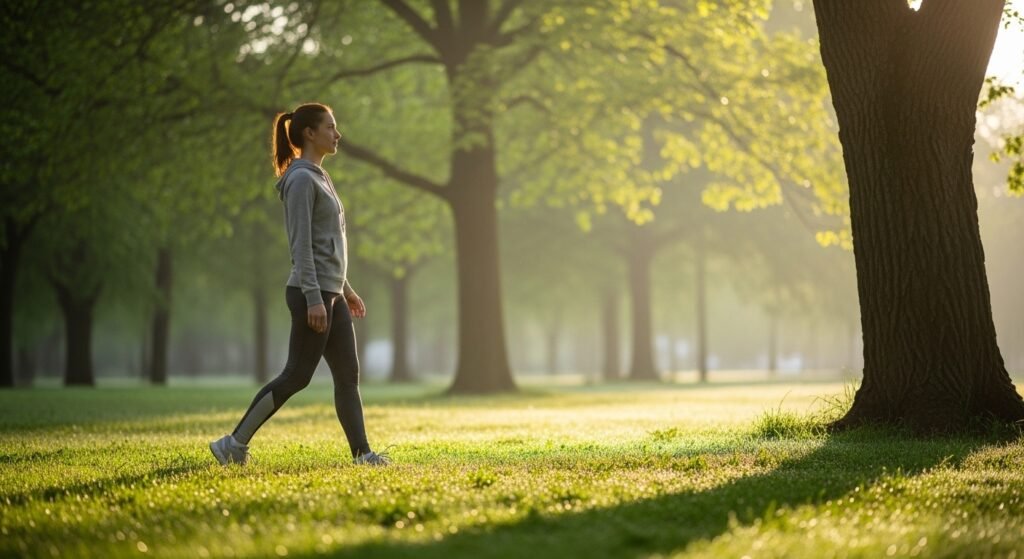
The changing health trends are moving towards the appearance focused aim rather than the routine of sustainability. Extreme transformations are receiving less and less attention compared to sleep, therapy, walking, and stress reduction. It has been extended to emotional regulation, attention to the nervous system, and long-term mental resilience.
Home Is Becoming a Sanctuary Again
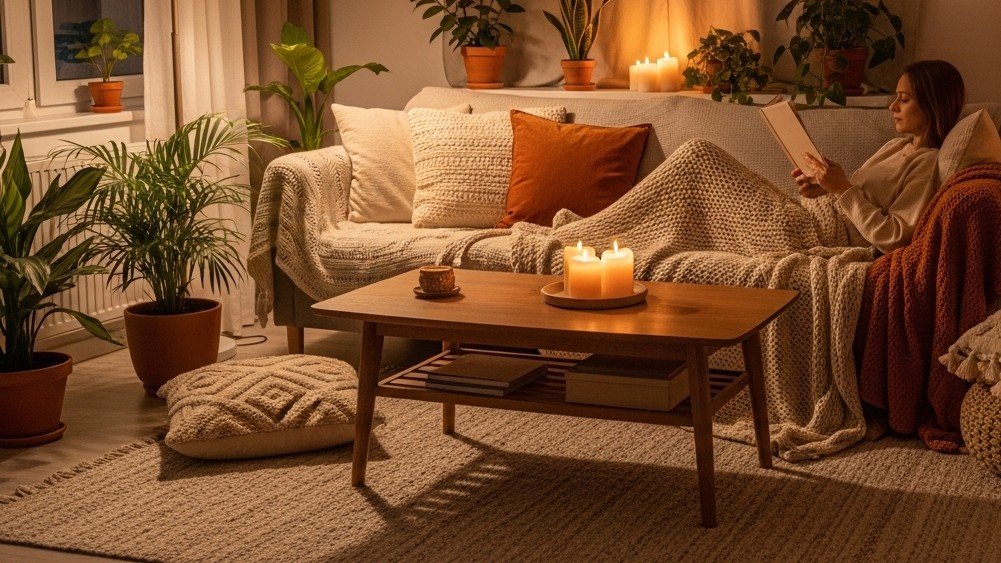
Home is being redesigned to be comfortable and peaceful instead of a place to sleep between commitments. The need to feel the ground emotionally can be seen in cozy spaces, plants and private rituals. The personal spaces are now focusing on relaxing environments that offset the external demands of being hectic.
Slow Living is no Longer Fringe
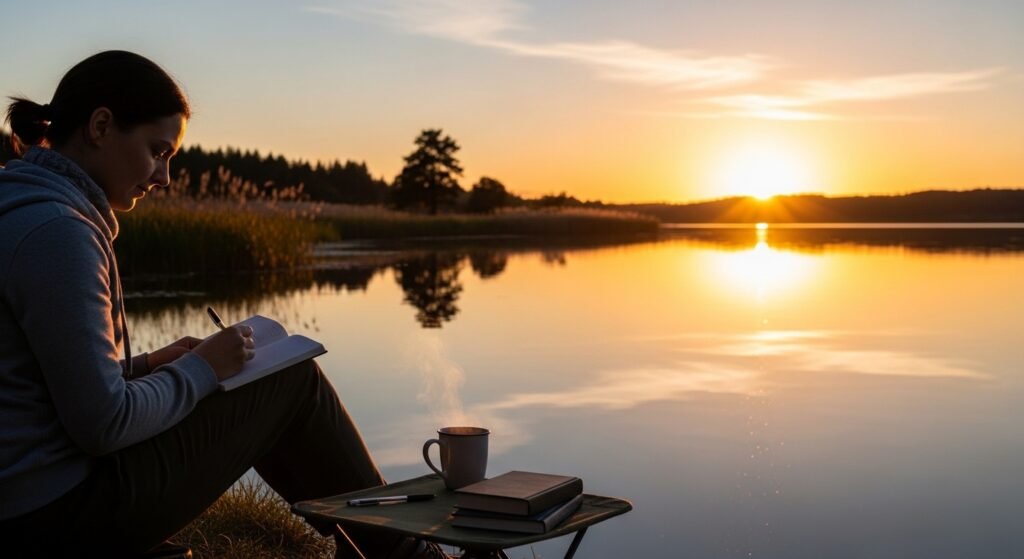
What used to be a niche, now becomes mainstream. The decision to be calm instead of chaotic is socially acceptable. The trend did not come with a bang- but its effects are evident in the mode of working, shopping, socialization and even sleep. A slowness is being seen not only as laziness, but rather deliberate conformity with personal values.