
 Emily White
 All you can say about looks is that they do not matter, but real life says otherwise. People have made up their minds before you even utter a single word, before your talent or character is revealed, they have already made up their minds. It happens in seconds. One look, one brief survey and the mind makes up the rest. In the majority of cases, it is not even deliberate. In social media to day to day communication, appearance silently determines how people will react and respond and how they will remember you. It is unobtrusive, but it is everywhere- and once you start noticing it, you cannot stop seeing it.
First Impressions
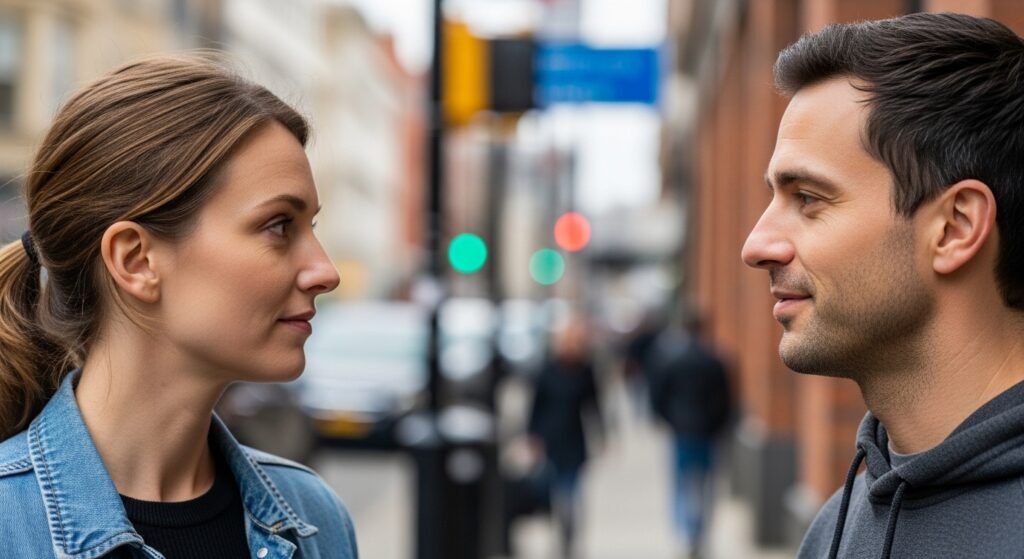
Human beings make judgments almost immediately. As soon as a person gets to see you, he or she begins to form an opinion about your character, self-confidence, and consumerism. These judgments occur quickly and tend to be longer-lasting than is the case. The first impression lingers in how people treat you, even when they attempt to remain neutral.
Social Media

The modern digital world is constructed on the basis of images. Aesthetic looks are the first to be observed with the help of photos, reels, and curated profiles. With time, the persistent scrolling of information conditions the brain to make a judgment hastily. It also establishes a loop of comparison where individuals judge each other and others by their appearance only.
Beauty Standards
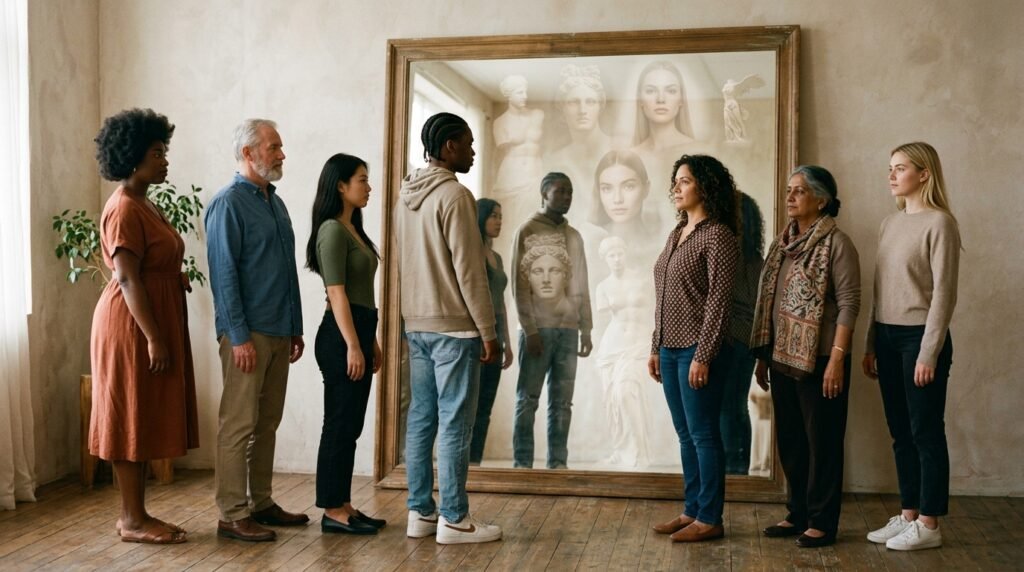
In each culture, there is an idea of ideality. Such standards change, and they do not completely fade away. The comparison can be made without any realization that people compare others with these expectations. Although a person may not concur with these standards, they have implications in the perception even though they may not be obvious.
Confidence Perception
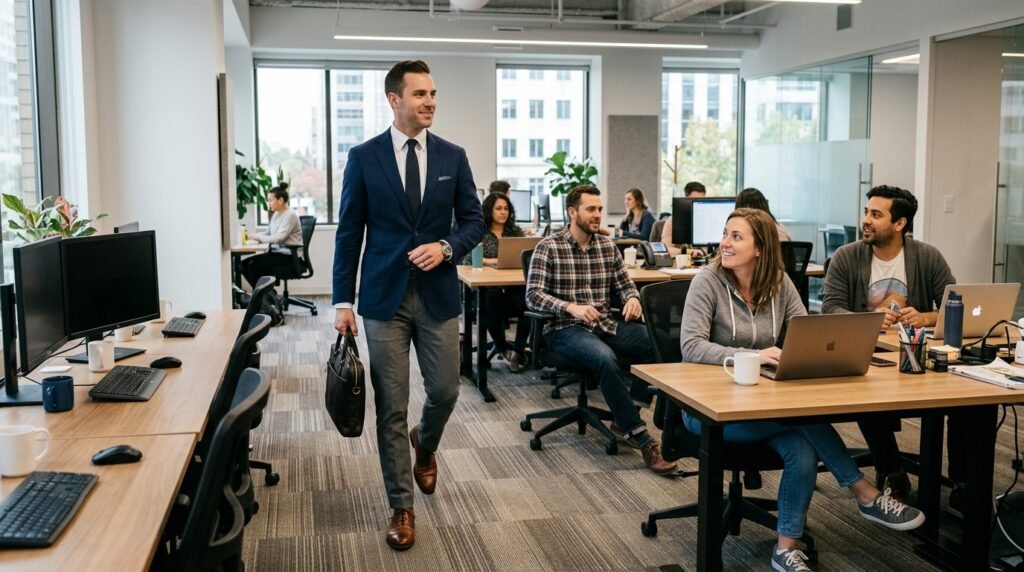
Beauty is commonly associated with trust. A person dressed well or in neat attire is deemed to be more confident. This does not necessarily have to be so but it influences the manner in which individuals react during a discussion, in their social circles as well as in the workplace.
Media Influence

Cinema, commercials, and bloggers constantly promote some appearance. This repetition creates in the mind over time an idea of what is deemed attractive or successful. Individuals start paying attention to such characteristics and appreciating them, and do so without much questioning of the reason.
Workplace Bias

Appearances can further perception even at the workplace. Properly groomed people are also perceived to be more organized, competent or dependable. These assumptions are made in a short time and may potentially influence opportunities, prior to real skills being reviewed.
Familiarity Comfort

Human beings have a tendency to identify with what they know. When an individual conforms to some generally accepted type of appearance, other people might find it easier to deal with them. This familiarity brings about a bias that is not necessarily rational but it influences behavior.
Unconscious Habit
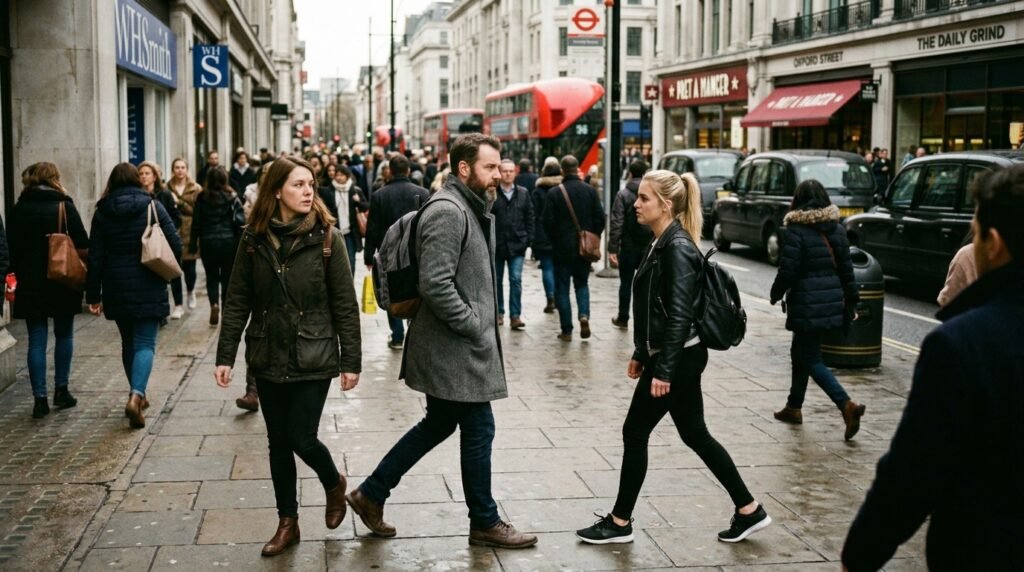
The evaluation based on appearance is automatic. It is an acquired habit and most people do not question. It is so fast that it is incorporated into the way of thinking. This practice has been unconsciously carried on to influence the way others are viewed and treated.